What Is Finger Food Catering? Everything You Need to Know
Think of a menu where you do not need to choose one single main course. Think of a magical moment wh...
Read article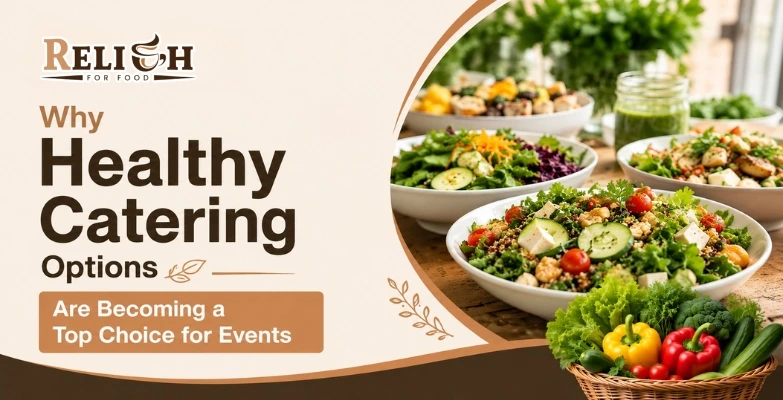
There was a time when event food meant heavy buffet trays, bread rolls sitting out longer than anyone wanted to think about, and a dessert table that was genuinely the only highlight of the meal. That time has passed faster than most hosts have realised.
Healthy food catering has shifted from a niche request to a genuine expectation, and the change is showing up everywhere. At corporate lunches, milestone celebrations, weddings, and team events. Guests arrive having already thought about what they eat, how they feel after they eat it, and whether the food on offer actually suits them. The imagined average guest that menus used to be built around no longer exists. People are more informed, more varied in their dietary needs, and far less willing to spend an evening eating around a plate that was not designed with them in mind.
This is not about making events boring or virtuous. Done properly, healthy event catering is some of the most visually interesting, most genuinely delicious food being served at events right now.
Healthy food catering is the deliberate design of event menus around whole, nutrient-dense ingredients; food that sustains guests rather than weighing them down, and that accommodates a wide range of dietary needs without treating those needs as a secondary concern.
It is not a single menu style, and it is definitely not a list of things removed. It is a design philosophy applied across whatever format the event calls for, whether that is grazing boards, plated dinners, working lunches, or cocktail canapés. The underlying principle stays consistent: ingredients that are really good, food that leaves guests feeling right, and a menu where nobody has to quietly manage around something that was not made for them.
Healthy catering is becoming the standard because guest expectations have genuinely shifted, and the gap between what people want and what events typically serve has become too obvious to ignore.
Here’s why guests are expecting heathier options:
The shift is real, and the hosts responding to it are producing noticeably better events.
This is where the misconception usually lives. Healthy catering is not a menu of deprivation. It is a menu built from quality ingredients that happen to be good for people, because quality cooking and nutritious food are almost always the same thing.
Here is a simple breakdown of what features across well-designed healthy catering menus right now:
| Category | Examples | Why It Works |
| Protein-forward small plates | Grilled chicken skewers, smoked salmon blinis, egg-based canapés | Sustains energy without heaviness |
| Plant-based centrepieces | Roasted vegetable platters, stuffed capsicums, legume-based dips | Inclusive, visually striking, genuinely satisfying |
| Seasonal whole grains | Quinoa salads, farro bowls, wild rice dishes | Nutrient density with real texture and flavour |
| Seasonal grazing boards | Fresh fruit, raw vegetables, hummus, seed crackers, natural cheeses | Accommodates everything, looks beautiful, easy to eat |
| Functional ingredients | Kale, beetroot, avocado, berries, dark chocolate | Things guests actively want and recognise |
| Hydration stations | Infused waters, kombucha, herbal iced teas | Increasingly replacing standard soft drink offerings |
The goal is not to engineer every dish around a health claim. It is to build a menu from ingredients that are at their seasonal best, cooked with genuine care, and presented in a way that makes them the most appealing thing on the table, not the safe alternative.
The goal is not virtuous food that nobody is excited about. It is genuinely delicious food that happens to be good for people, and the sequencing of that intention matters.
The menu starts with what tastes extraordinary, then confirms it is nutritious. Roasted cauliflower with tahini and pomegranate is not on the menu because it is healthy. It is on the menu because it is stunning. The nutrition is a consequence of good cooking, not the starting point.
A grazing board designed around a beautiful seasonal vegetable and fruit spread, with cheese and cured meats as accents rather than anchors, reads completely differently to the same elements in reverse. The design communicates the intent before anyone has eaten anything.
Every dietary requirement should be met within the shared menu rather than via a separate dish. When the vegan guest and the gluten-free guest and the guest with no restrictions are all eating from the same beautiful table, the event feels unified rather than logistically managed.
Share dietary requirements as early as possible. Talk about the event's energy arc, when guests need sustaining, when something lighter is better. The best healthy catering is designed around how the event will actually feel across its full timeline, not just what will look good on the table.
Healthy event food presented boldly; well-named, beautifully arranged, clearly described; lands completely differently to the same food presented as the "lighter option." The framing is part of the experience. Do not apologise for it.
Here is the thing nobody usually says out loud. The food at an event is a statement. It tells guests what the host thinks of them, how much care went into their experience, whether their needs were actually considered, whether anyone thought about how they would feel at the end of the evening.
A menu built around genuine nutrition and dietary inclusivity communicates something before a single word is spoken. It says the guests mattered enough to think about. And that feeling, of having been looked after, of having been considered, is what turns an event people attended into an event people remember.
The right catering services partner makes that possible by building it as the default, because it is simply the better way to feed people.
At Relish for Food, that is the standard we hold every event to. Food that looks extraordinary, tastes genuinely good, and leaves guests feeling exactly the way a well-looked-after guest should feel.
If you are planning an event and want catering built around that level of care, get in touch and let us show you what it looks like on the table.